Wellbeing
Why can being near water feel calming?
Blue spaces are associated with restoration and wellbeing, but water is not a universal treatment. Here is what the research can actually tell us.
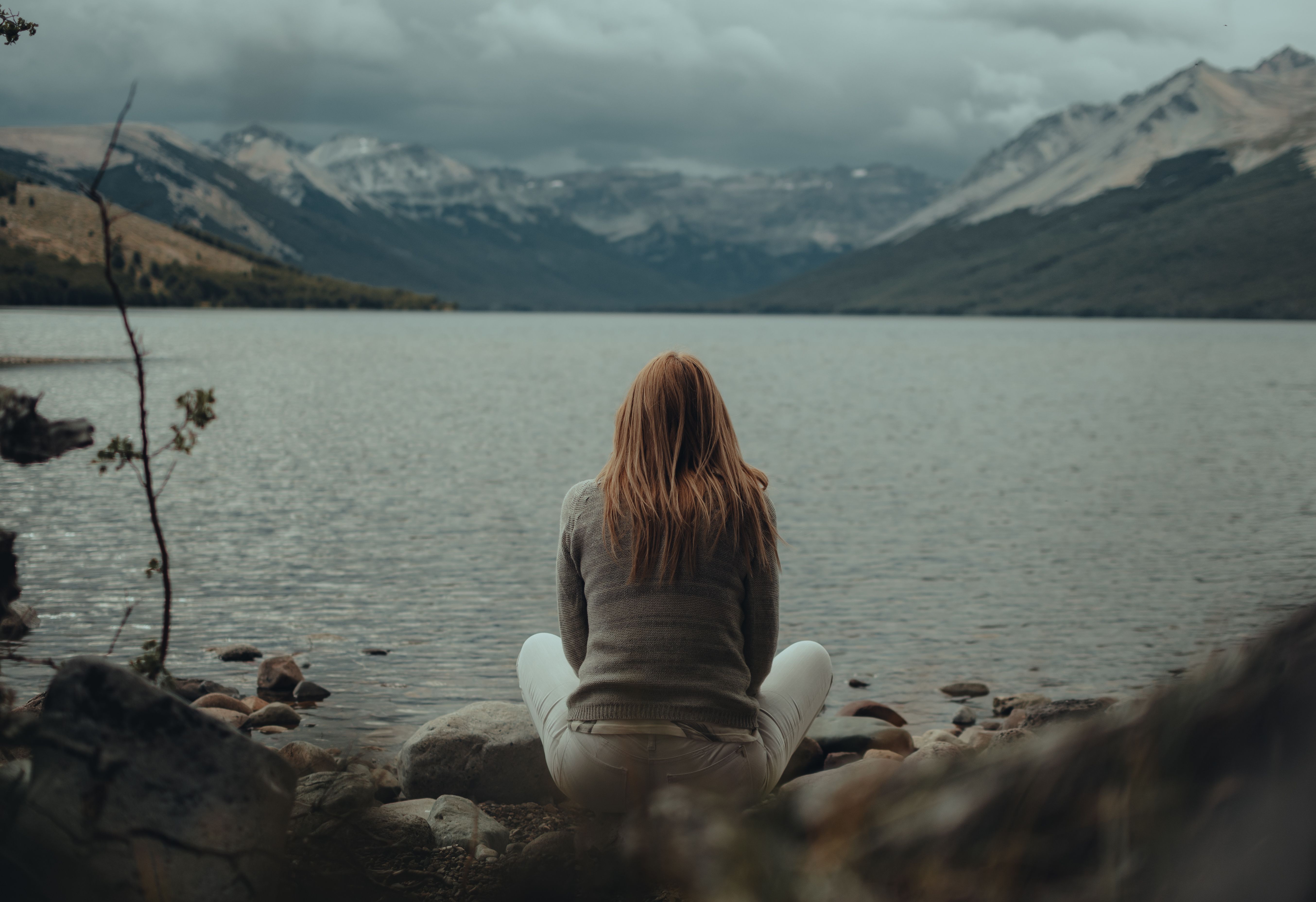
A lake, a river or even a fountain can make a busy day feel quieter. That experience has inspired a growing field of research on blue spaces: outdoor environments where water is a prominent feature.
What has research found?
Systematic reviews have linked exposure to blue spaces with restoration, physical activity and some measures of mental wellbeing.1 Interventions such as organized walks, activities near water and watersports have also produced promising results, although the studies vary widely in design and quality.2
Why might water feel restorative?
There is no single proven mechanism. A waterside setting may reduce traffic noise, create a broad visual horizon, support movement or provide a sense of distance from routine demands. The effect may come from several ingredients together: the landscape, the activity, the social setting and what the place means to you.
Does looking at water treat anxiety?
No. Most evidence does not establish that a brief visit to water treats a mental health condition. People also experience water differently. A crowded beach, an unsafe waterfront or a place connected with a difficult memory may not feel calming at all.
A setting is a collection of experiences
Imagine two visits to the same waterfront. One is a quiet pause on a bench; the other involves crowds, noise and a rushed journey. The water is present in both, but the experience differs. That makes the phrase “being near water” useful as a research category and incomplete as a personal description. What you do there and how the place feels still belong in the story.
Try describing the setting without deciding in advance that it should calm you. Is it quiet or busy? Are you alone or with someone? Are you moving, sitting or trying to complete another task? You might enjoy the view yet feel uneasy about the crowd. Those responses can coexist. A place's reputation as restorative does not require you to have a particular reaction.
A review looks for patterns across different studies
The reviews discussed above bring together research with different designs and settings.1 That can reveal recurring patterns, but it also raises a question about comparability. Living close to a shoreline, visiting a fountain and joining an organized activity on water are different exposures. If a headline blends them together, ask which experience the evidence actually examined.
An association with wellbeing does not automatically show that water caused the difference. People who live near it may also differ in other ways. An intervention can test a more specific activity, but still includes the activity, its organization and the people involved. The practical lesson is to read a promising result carefully, not to dismiss it. Knowing what was compared makes the finding more useful.
You do not need to make a weekend into a treatment
If you enjoy water, plan an accessible experience that fits your circumstances. A familiar pond, river path or fountain may be easier than a trip requiring substantial time and money. This is an example of making a preference practical, not a claim that every setting has the same effect. Consider access, safety and comfort before treating the outing as a wellbeing task.
You can also decide what you would like from the pause. Perhaps it is time away from a screen, a gentle walk or an opportunity to sit without rushing. Naming that purpose prevents the whole trip from being judged by whether you become instantly calm. An ordinary outing can be worthwhile without meeting a clinical goal or reproducing a research protocol.
Notice the experience without demanding a result
Before and after, ask a small question: do I feel any more settled, interested or able to shift attention? A sentence is enough if you want a record. You do not need to measure breathing or turn the visit into a performance. Your response is useful personal context, while a single visit cannot establish a cause or predict the next one.
If the place does not feel restorative, that is not a failure to appreciate nature. You might prefer a different setting or a different activity. Research supplies possibilities, not an obligation to enjoy them. Persistent anxiety or distress deserves support that is appropriate to the problem. A waterside pause can be part of a life you enjoy without being responsible for treating everything that makes that life difficult.
A small example of an ordinary pause
Suppose you have twenty minutes before another commitment. You could spend them beside a familiar fountain rather than planning a whole day at the coast. Beforehand, decide that the purpose is simply a pause. Afterward, notice whether you enjoyed the setting and would choose it again. That is a personal preference question, not a claim that twenty minutes is an evidence-based treatment dose. Keeping the purpose modest lets you learn from the experience without demanding a dramatic change in mood. The useful result may be finding a place you like, rather than proving that water has a particular effect on you.
What does that mean to you?
If water feels restorative, the useful experiment can be small. Sit near a river, walk around a pond or pause beside a fountain. Notice whether the setting changes your breathing, attention or desire to keep moving.
Research can identify patterns across groups, but it cannot choose your restorative place. Your own response supplies important context. A blue space is one possible environment for recovery, not a test you have to pass and not a replacement for care when stress or anxiety is persistent.
A lake, a river or even a fountain can make a busy day feel quieter. That experience has inspired a growing field of research on blue spaces: outdoor environments where water is a prominent feature.
What has research found?
Systematic reviews have linked exposure to blue spaces with restoration, physical activity and some measures of mental wellbeing.1 Interventions such as organized walks, activities near water and watersports have also produced promising results, although the studies vary widely in design and quality.2
Why might water feel restorative?
There is no single proven mechanism. A waterside setting may reduce traffic noise, create a broad visual horizon, support movement or provide a sense of distance from routine demands. The effect may come from several ingredients together: the landscape, the activity, the social setting and what the place means to you.
Does looking at water treat anxiety?
No. Most evidence does not establish that a brief visit to water treats a mental health condition. People also experience water differently. A crowded beach, an unsafe waterfront or a place connected with a difficult memory may not feel calming at all.
A setting is a collection of experiences
Imagine two visits to the same waterfront. One is a quiet pause on a bench; the other involves crowds, noise and a rushed journey. The water is present in both, but the experience differs. That makes the phrase “being near water” useful as a research category and incomplete as a personal description. What you do there and how the place feels still belong in the story.
Try describing the setting without deciding in advance that it should calm you. Is it quiet or busy? Are you alone or with someone? Are you moving, sitting or trying to complete another task? You might enjoy the view yet feel uneasy about the crowd. Those responses can coexist. A place's reputation as restorative does not require you to have a particular reaction.
A review looks for patterns across different studies
The reviews discussed above bring together research with different designs and settings.1 That can reveal recurring patterns, but it also raises a question about comparability. Living close to a shoreline, visiting a fountain and joining an organized activity on water are different exposures. If a headline blends them together, ask which experience the evidence actually examined.
What does that mean to you?
If water feels restorative, the useful experiment can be small. Sit near a river, walk around a pond or pause beside a fountain. Notice whether the setting changes your breathing, attention or desire to keep moving.
Research can identify patterns across groups, but it cannot choose your restorative place. Your own response supplies important context. A blue space is one possible environment for recovery, not a test you have to pass and not a replacement for care when stress or anxiety is persistent.
A quick check-in
Did you find this story useful?
Sources
For general information. This story does not provide a diagnosis or replace individual medical advice.