Beauty
Does a long hot shower dry out your skin?
Hot water can feel relaxing, but prolonged exposure may disturb the skin barrier. Learn what studies of water temperature and skin function show.
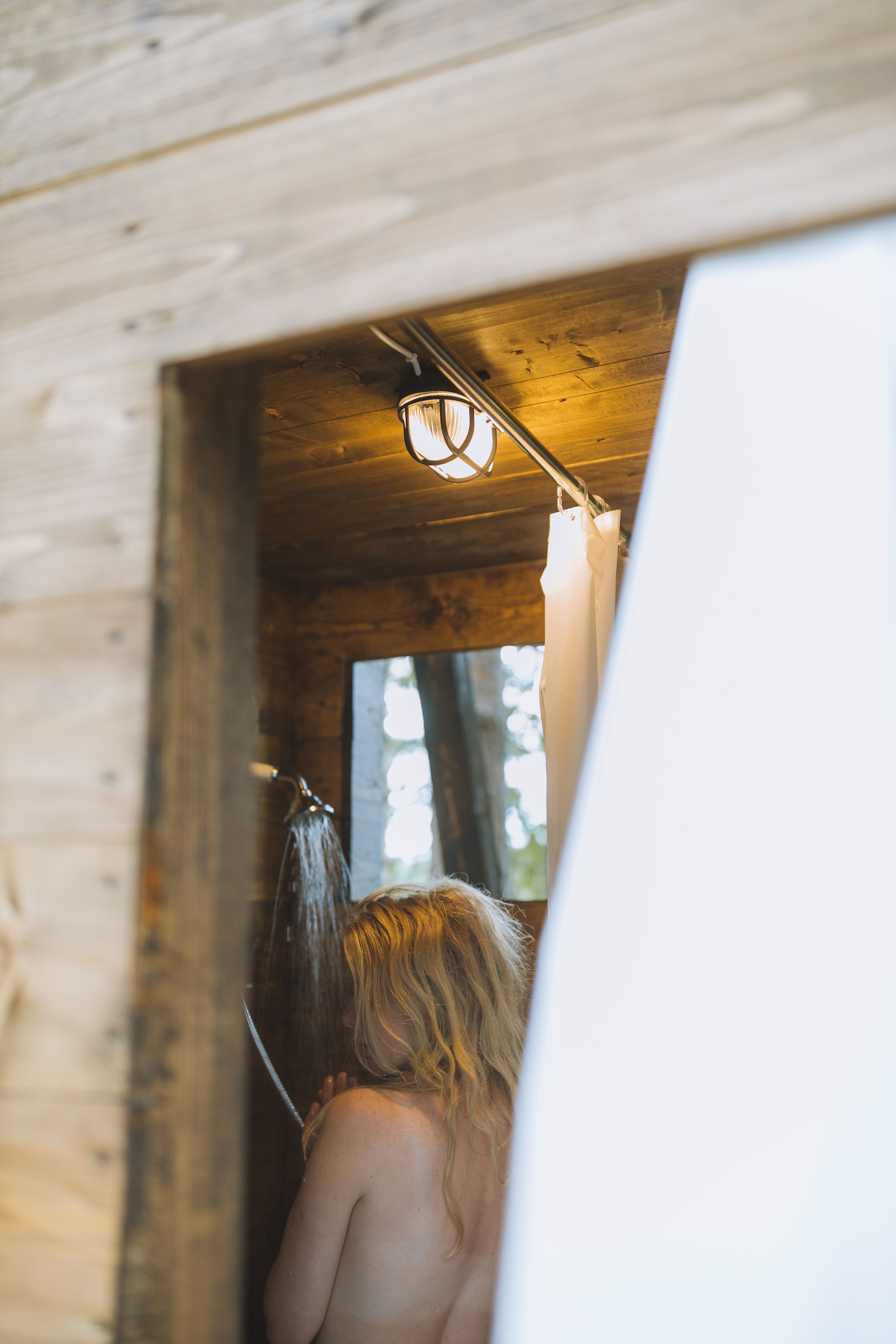
A long hot shower can mark the beginning of a slow weekend. The warmth relaxes muscles and creates a pause. Your skin, however, may experience the same water differently.
What happens to the skin barrier?
The outer layer of skin helps limit water loss and keep irritants out. Experimental research has found that water exposure can temporarily change barrier measurements, and hotter water is generally more disruptive than cooler or lukewarm water.1 Longer soaking can also affect hydration and transepidermal water loss, a measure of water escaping through the skin.2
Why can skin feel tight afterward?
Water initially wets and swells the outer skin layer, but heat, time and cleansing products can remove surface lipids. After you step out, evaporation may leave the skin feeling dry or tight. Fragrance, harsh soap and scrubbing can add irritation.
Does this mean showers should be cold?
No. The practical alternative is usually warm rather than very hot water, with a shorter duration if dryness is a problem. Dermatologists also recommend applying moisturizer while skin is still slightly damp, which helps trap water at the surface.3
Comfort during the shower and comfort afterward can differ
Imagine staying under warm water because it feels good after a busy day, then noticing tight skin later. Those experiences are not contradictory. One describes the moment in the shower; the other describes what you notice afterward. Keep both in view rather than assuming that a relaxing activity must feel equally comfortable to every part of the body.
A useful question is timing. Does discomfort begin while you wash, immediately afterward or later in the evening? Is it an occasional sensation or a repeated pattern? You can describe that sequence without deciding which part of the routine caused it. Temperature, time and the products used are separate features, so an account of the whole routine is more informative than simply labeling showers good or bad.
What a barrier measurement tells researchers
Transepidermal water loss is a measurement of water leaving the skin. It is one way researchers investigate barrier function, not a direct score for how relaxed or comfortable someone feels. An experiment involving forearm soaking found immediate changes in hydration and water-loss measurements, but did not establish a statistically significant relationship with soaking duration in that sample.2 A trend in measurements should not be presented as a precise rule for everybody's shower length.
The distinction matters because a laboratory procedure is not an entire bathroom routine. Researchers can control one exposure while daily life includes different cleansers, weather, body areas and medical conditions. The experiment contributes a piece of the explanation. It does not calculate your ideal temperature or duration from a single number. Read it as evidence about a process rather than a personalized timetable.
Review the routine before adding more steps
If you repeatedly notice discomfort, write down how you wash and what you apply afterward. Include the approximate temperature you prefer, whether the shower is brief or prolonged, and which products you use. This is not a request for perfect measurements. The purpose is to make the routine visible enough that you can discuss a manageable adjustment instead of shopping for a complicated solution before reviewing the basics.
For example, you might notice that a new cleanser arrived in the same week as a change in your shower habit. That does not identify the cause, but it prevents an overly narrow explanation. Describe both changes if you seek advice. A skin concern can have several plausible contributors, and the most useful starting point is the sequence you actually followed, not the routine you intended to have.
Keep a relaxing ritual flexible
You do not have to decide that relaxation and skin comfort are competing goals. Ask what you value about the ritual: warmth, quiet, a pause or a transition between parts of the day. Then consider whether that experience can fit a routine that leaves you more comfortable afterward. This is a personal planning question, not a medical claim that one alternative will work for everybody.
If there is ongoing rash, cracking or substantial itch, describe it to a clinician rather than trying to solve the entire problem through temperature alone. General guidance is useful, but the right plan depends on the actual condition. The research gives a reason to pay attention to what happens after water exposure. Your observations help turn that explanation into a clear question about your own routine, instead of a blanket ban on enjoying a shower.
Bring the whole sequence to a conversation
When you ask for advice, describe what happens before, during and after washing. A sentence about the shower and the products used may be more informative than saying only that your skin is dry. Include what you have already changed and whether that made any difference. The account is not proof of a cause; it is a way to make the next question clearer. You do not need exact temperature measurements to begin. The important detail is the routine you follow and the discomfort you want help with, rather than a generic idea of what a good shower should look like.
What does that mean to you?
Notice the signal that appears after the shower: comfort, itching, redness or tightness. If your skin repeatedly feels worse, lower the temperature, shorten the shower and simplify the cleanser before buying a complicated repair routine.
Research describes common barrier responses, but skin conditions change the equation. Eczema, psoriasis and some medications can make skin more reactive. Persistent cracking, rash or severe itching deserves individual medical advice.
A long hot shower can mark the beginning of a slow weekend. The warmth relaxes muscles and creates a pause. Your skin, however, may experience the same water differently.
What happens to the skin barrier?
The outer layer of skin helps limit water loss and keep irritants out. Experimental research has found that water exposure can temporarily change barrier measurements, and hotter water is generally more disruptive than cooler or lukewarm water.1 Longer soaking can also affect hydration and transepidermal water loss, a measure of water escaping through the skin.2
Why can skin feel tight afterward?
Water initially wets and swells the outer skin layer, but heat, time and cleansing products can remove surface lipids. After you step out, evaporation may leave the skin feeling dry or tight. Fragrance, harsh soap and scrubbing can add irritation.
Does this mean showers should be cold?
No. The practical alternative is usually warm rather than very hot water, with a shorter duration if dryness is a problem. Dermatologists also recommend applying moisturizer while skin is still slightly damp, which helps trap water at the surface.3
Comfort during the shower and comfort afterward can differ
Imagine staying under warm water because it feels good after a busy day, then noticing tight skin later. Those experiences are not contradictory. One describes the moment in the shower; the other describes what you notice afterward. Keep both in view rather than assuming that a relaxing activity must feel equally comfortable to every part of the body.
A useful question is timing. Does discomfort begin while you wash, immediately afterward or later in the evening? Is it an occasional sensation or a repeated pattern? You can describe that sequence without deciding which part of the routine caused it. Temperature, time and the products used are separate features, so an account of the whole routine is more informative than simply labeling showers good or bad.
What a barrier measurement tells researchers
Transepidermal water loss is a measurement of water leaving the skin. It is one way researchers investigate barrier function, not a direct score for how relaxed or comfortable someone feels. An experiment involving forearm soaking found immediate changes in hydration and water-loss measurements, but did not establish a statistically significant relationship with soaking duration in that sample.2 A trend in measurements should not be presented as a precise rule for everybody's shower length.
What does that mean to you?
Notice the signal that appears after the shower: comfort, itching, redness or tightness. If your skin repeatedly feels worse, lower the temperature, shorten the shower and simplify the cleanser before buying a complicated repair routine.
Research describes common barrier responses, but skin conditions change the equation. Eczema, psoriasis and some medications can make skin more reactive. Persistent cracking, rash or severe itching deserves individual medical advice.
A quick check-in
Did you find this story useful?
Sources
For general information. This story does not provide a diagnosis or replace individual medical advice.