Health
Why can emotional stress make skin feel more sensitive?
Psychological stress can affect the skin barrier and recovery. Learn what small human studies found and why irritation still needs a broader explanation.
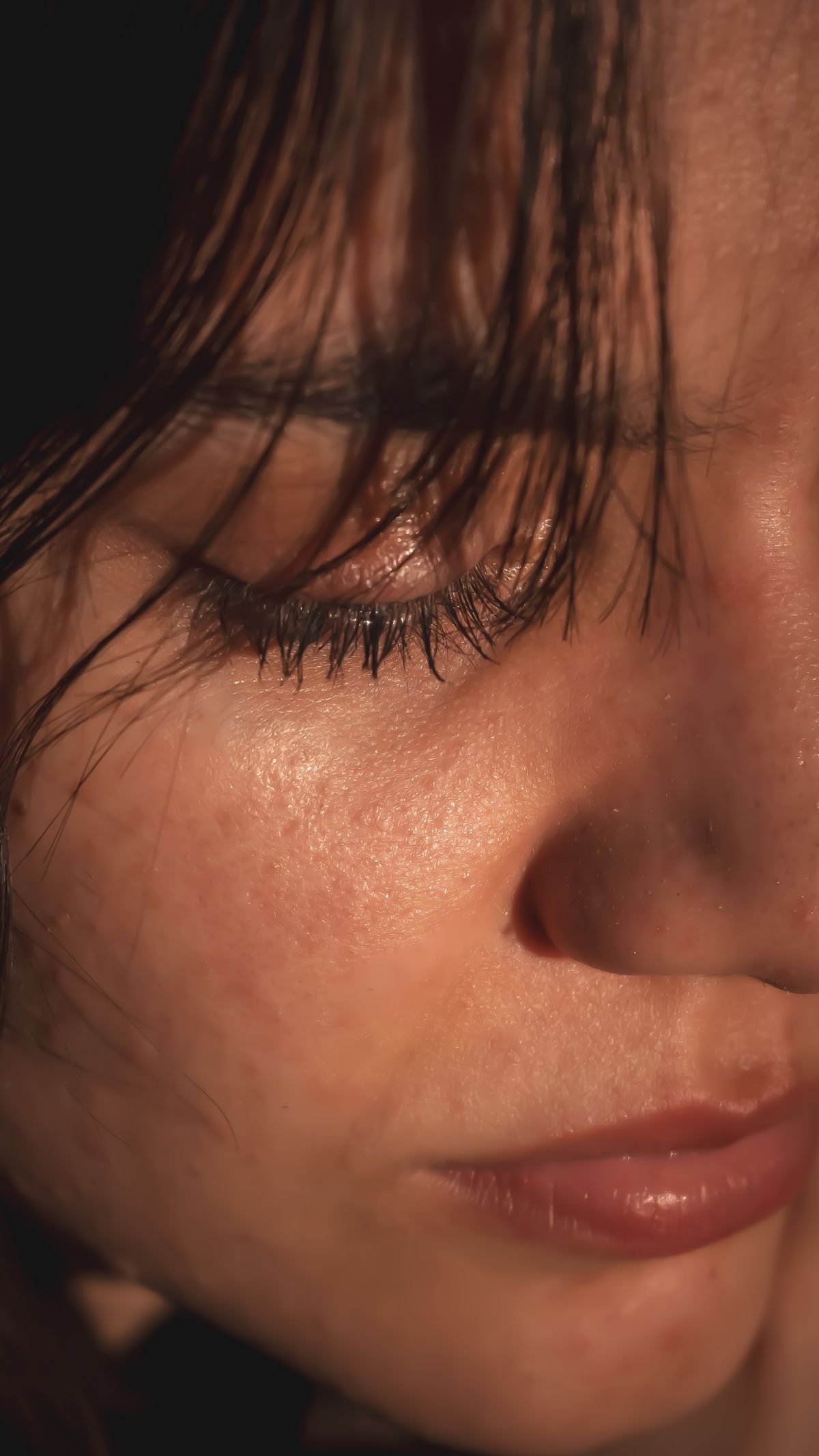
During an intense week, skin may feel tighter, itchier or less tolerant of products that were usually fine. That experience is plausible, but stress is one influence among many.
What is the skin barrier?
The outermost layer of skin helps limit water loss and keeps irritants outside. Researchers often study how quickly that barrier recovers after a controlled disruption.
What happened during psychological stress?
In a human study, participants experienced slower recovery of the epidermal permeability barrier during periods of higher psychological stress. The authors proposed that stress-related signaling may disturb normal barrier repair.1 Later work in healthy women also reported stress-related changes in measures of barrier function.2
Why is the answer still not simple?
Weather, cleansing, active ingredients, allergies, eczema and medications can all change how skin feels. Small experimental studies cannot tell you which factor explains an individual flare.
The barrier is a function, not a beauty score
Imagine a moisturizer that usually feels comfortable starting to sting during a difficult week. Your first explanation might be that stress damaged your skin. The timing is worth noting, but it is not enough to settle the cause. A product change, weather, an existing condition or another factor may belong in the same story. Begin with what happened before naming the mechanism.
Researchers use controlled procedures and measurements to investigate barrier function. That is different from deciding how healthy someone's skin looks. A face can appear ordinary while feeling uncomfortable, and an uncomfortable sensation does not identify a specific laboratory measurement. Keeping these levels separate helps you take your experience seriously without treating it as a direct test of what is happening in the outer skin layer.
Recovery is what the experiment was studying
In the research discussed above, scientists examined how barrier measurements changed after a controlled disruption and in relation to stress.1 The question was not whether every stressful week produces a visible rash. A measured difference in recovery offers evidence about a process, while leaving many questions about daily life and individual skin conditions.
Ask what the study measured and what the headline added. A barrier-recovery experiment does not establish that your new sensitivity has one cause, that a commercial repair product corrects it, or that eliminating stress would resolve every symptom. Those are separate claims. A precise explanation is useful because it gives you boundaries as well as a possible biological connection.
Describe the routine alongside the difficult period
A brief timeline can include when discomfort began, what you applied and what else changed. If you had been using a product more often or introduced several new steps, record that too. The point is not to put your emotions on trial. It is to give the skin concern a context that can be reviewed. Your account of the routine is something a clinician can act on more directly than a general theory.
For example, “My skin felt tight for several evenings after I changed two products” is specific. “My stress destroyed my barrier” is much broader. The first still leaves room to discuss stress, but does not exclude other explanations. You can take a difficult period seriously while allowing the assessment to consider the whole picture. That is a more useful partnership between personal observation and scientific evidence.
Make care easier to understand
If you are unsure what to continue or pause, ask about the purpose of each part of your routine. Which steps address a diagnosed condition? Which are optional? What symptoms should prompt review? Those questions can make a plan clearer without adding more products. Your aim is comfortable, appropriate care rather than an increasingly complicated response to every sensation.
Do not wait for a perfectly calm week before asking for help with recurring discomfort. Stress may be part of life for a while, and your symptoms still deserve attention. Research gives a reason to investigate the connection; it does not make recovery your personal responsibility to achieve through emotional control. Bring both the skin observations and the relevant circumstances, then use the assessment to decide what comes next.
Prepare one clear description
Suppose you are unsure how to explain a flare. Start with a sentence such as, “For the past week my face has felt uncomfortable after my usual routine, and these are the products I use.” Then add what changed and whether the problem is settling or persisting. This is an example of communication, not a diagnosis. A description does not have to be technically sophisticated to be valuable. It can include the difficult period without claiming that stress explains everything. That gives a professional room to examine the skin and ask further questions, rather than treating your first interpretation as the final answer.
What does that mean to you?
If your skin becomes reactive during a difficult period, simplify rather than escalate. A mild cleanser, familiar moisturizer and pause from unnecessary active ingredients may reduce additional irritation.
Research gives a biological reason to take the experience seriously. Your skin still supplies the practical detail: when the discomfort began, what you applied and whether there is rash, swelling, cracking or persistent itch. Notice those signals. Seek medical care when symptoms are severe, recurring or unexplained.
During an intense week, skin may feel tighter, itchier or less tolerant of products that were usually fine. That experience is plausible, but stress is one influence among many.
What is the skin barrier?
The outermost layer of skin helps limit water loss and keeps irritants outside. Researchers often study how quickly that barrier recovers after a controlled disruption.
What happened during psychological stress?
In a human study, participants experienced slower recovery of the epidermal permeability barrier during periods of higher psychological stress. The authors proposed that stress-related signaling may disturb normal barrier repair.1 Later work in healthy women also reported stress-related changes in measures of barrier function.2
Why is the answer still not simple?
Weather, cleansing, active ingredients, allergies, eczema and medications can all change how skin feels. Small experimental studies cannot tell you which factor explains an individual flare.
The barrier is a function, not a beauty score
Imagine a moisturizer that usually feels comfortable starting to sting during a difficult week. Your first explanation might be that stress damaged your skin. The timing is worth noting, but it is not enough to settle the cause. A product change, weather, an existing condition or another factor may belong in the same story. Begin with what happened before naming the mechanism.
Researchers use controlled procedures and measurements to investigate barrier function. That is different from deciding how healthy someone's skin looks. A face can appear ordinary while feeling uncomfortable, and an uncomfortable sensation does not identify a specific laboratory measurement. Keeping these levels separate helps you take your experience seriously without treating it as a direct test of what is happening in the outer skin layer.
Recovery is what the experiment was studying
In the research discussed above, scientists examined how barrier measurements changed after a controlled disruption and in relation to stress.1 The question was not whether every stressful week produces a visible rash. A measured difference in recovery offers evidence about a process, while leaving many questions about daily life and individual skin conditions.
Ask what the study measured and what the headline added. A barrier-recovery experiment does not establish that your new sensitivity has one cause, that a commercial repair product corrects it, or that eliminating stress would resolve every symptom. Those are separate claims. A precise explanation is useful because it gives you boundaries as well as a possible biological connection.
What does that mean to you?
If your skin becomes reactive during a difficult period, simplify rather than escalate. A mild cleanser, familiar moisturizer and pause from unnecessary active ingredients may reduce additional irritation.
Research gives a biological reason to take the experience seriously. Your skin still supplies the practical detail: when the discomfort began, what you applied and whether there is rash, swelling, cracking or persistent itch. Notice those signals. Seek medical care when symptoms are severe, recurring or unexplained.
A quick check-in
Did you find this story useful?
Sources
For general information. This story does not provide a diagnosis or replace individual medical advice.