Nutrition
Can weekend eating undo a healthy week?
A weekend meal is part of your overall eating pattern. Explore research on diet quality, fiber and practical meals without guilt or compensatory restriction.
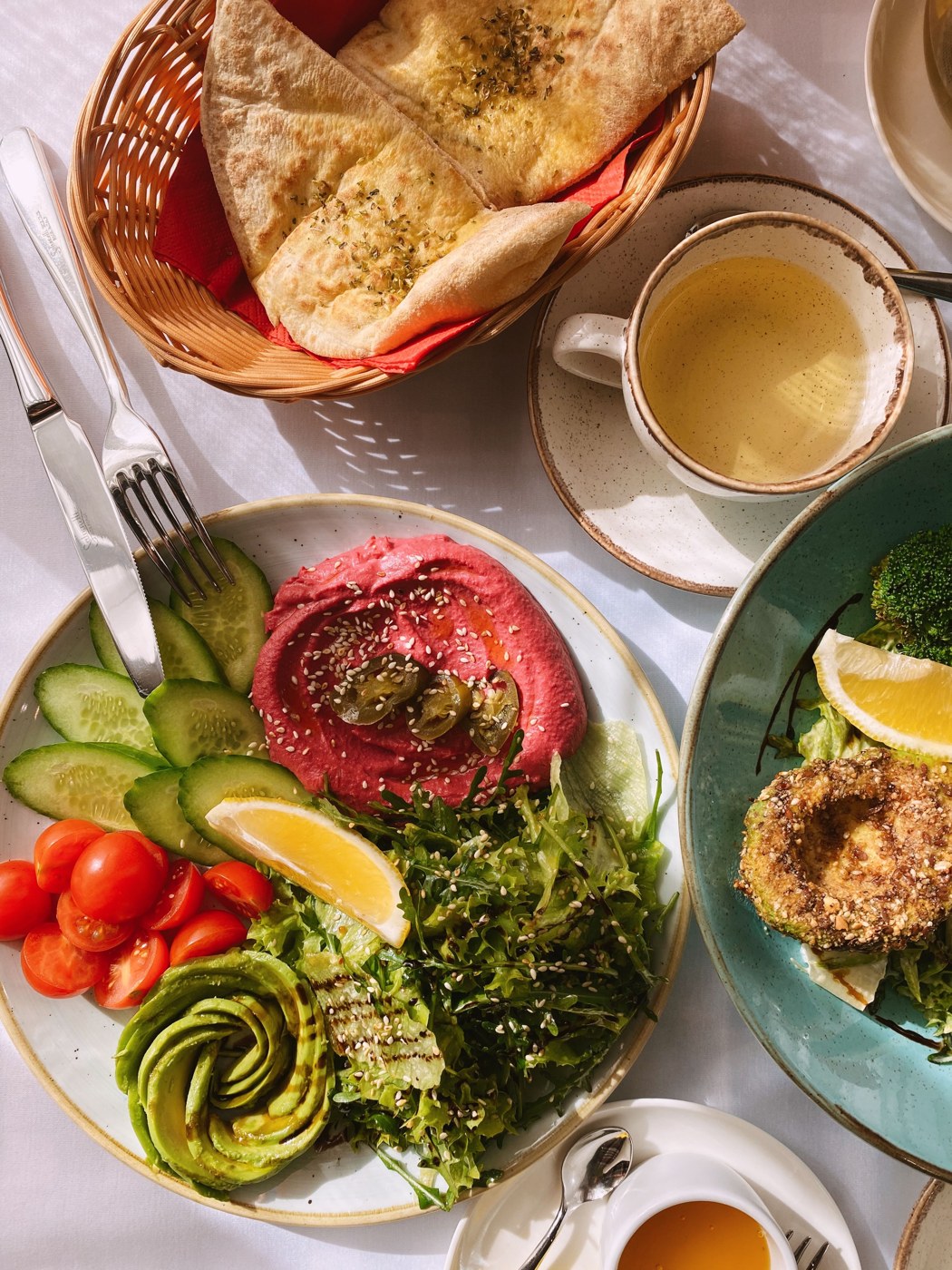
Photo: Valeriya Kobzar / Pexels. Used under the Pexels license. Illustrative stock photograph; people shown are not study participants and do not endorse this story.
A restaurant dinner, a slow brunch and a slice of birthday cake can make the weekend feel different from Tuesday. It is easy to interpret that difference as “undoing” a healthy week. Nutrition research offers a more useful frame: what does your eating pattern look like over time?
One enjoyable meal does not erase earlier meals. Weekends are part of the pattern, so repeated habits can matter, but they do not need a separate set of food rules. Health and enjoyment can belong at the same table.
What do weekend studies actually show?
A 2016 analysis used two dietary recalls from 11,646 U.S. adults surveyed between 2003 and 2012. Within-person comparisons found differences between weekend and weekday intake, with Saturday meals averaging less fiber and some fewer nutritious foods.1
These were average reported differences, not proof that a particular person's weekend caused a health problem. Two recalled days cannot represent every meal or a lifelong routine, and the data are older. The study did not test whether a celebratory dinner cancels the benefits of other foods.
Look at the pattern, not a food scorecard
A 2017 study followed two large cohorts of health professionals and found that improvements in diet quality over 12 years were associated with lower subsequent mortality.2 This supports looking beyond isolated meals. It does not establish cause and effect: food intake was self-reported, participants were not randomly assigned diets and other health behaviors may help explain the association.
WHO guidance emphasizes adequacy, balance, moderation and variety, with vegetables, fruit, pulses and whole grains among the foundations.3 A “healthy pattern” is not the same menu every day. It should provide enough nourishment and fit culture, availability, preferences and individual needs.
Keep useful foods in the weekend
Rather than subtracting foods you enjoy, consider easy additions: beans alongside a barbecue, fruit with brunch, oats for breakfast or vegetables and whole-grain bread with lunch. These are ways to keep fiber-containing foods in the routine, not instructions to earn dessert.
If your usual fiber intake is low, increase it gradually and drink enough fluids. NIDDK recommends this gradual approach for constipation.4 Adding a large amount overnight can be uncomfortable, and fiber needs may differ with digestive conditions. Persistent symptoms deserve individual guidance.
Regular, practical meals can also make an unpredictable day easier. Pack something satisfying before a long outing or plan a simple lunch between events. There is no single correct meal timetable here; the aim is access to food, rather than letting a busy schedule dictate everything.
There is nothing to compensate for on Monday
After a richer meal, return to your usual meals. A detox, skipped meals or punishment exercise is not a necessary response. If guilt or rigid food rules are taking up a lot of space, support from a qualified clinician or dietitian may be more helpful than another weekend plan.
What does that mean for you?
Scientific evidence helps guide overall nourishment through patterns seen in groups, while individual responses and circumstances vary. Notice your hunger, satisfaction, digestion, energy and emotions without turning them into grades. Those observations matter alongside research; they are not a diagnosis. Build a weekend that includes both foods you enjoy and reliable nourishment, and seek tailored advice when needed.
A quick check-in
Did you find this story useful?
Sources
- An (2016). Weekend-weekday differences in diet among U.S. adults, 2003–2012. Annals of Epidemiology.
- Sotos-Prieto et al. (2017). Association of Changes in Diet Quality with Total and Cause-Specific Mortality. New England Journal of Medicine.
- World Health Organization (2026). Healthy diet.
- National Institute of Diabetes and Digestive and Kidney Diseases. Eating, diet, & nutrition for constipation.
For general information. This story does not provide a diagnosis or replace individual medical advice.