Wellbeing
Why do we blush when we feel seen?
Blushing turns an internal emotion into a visible change in facial blood flow. The response may also carry social information.
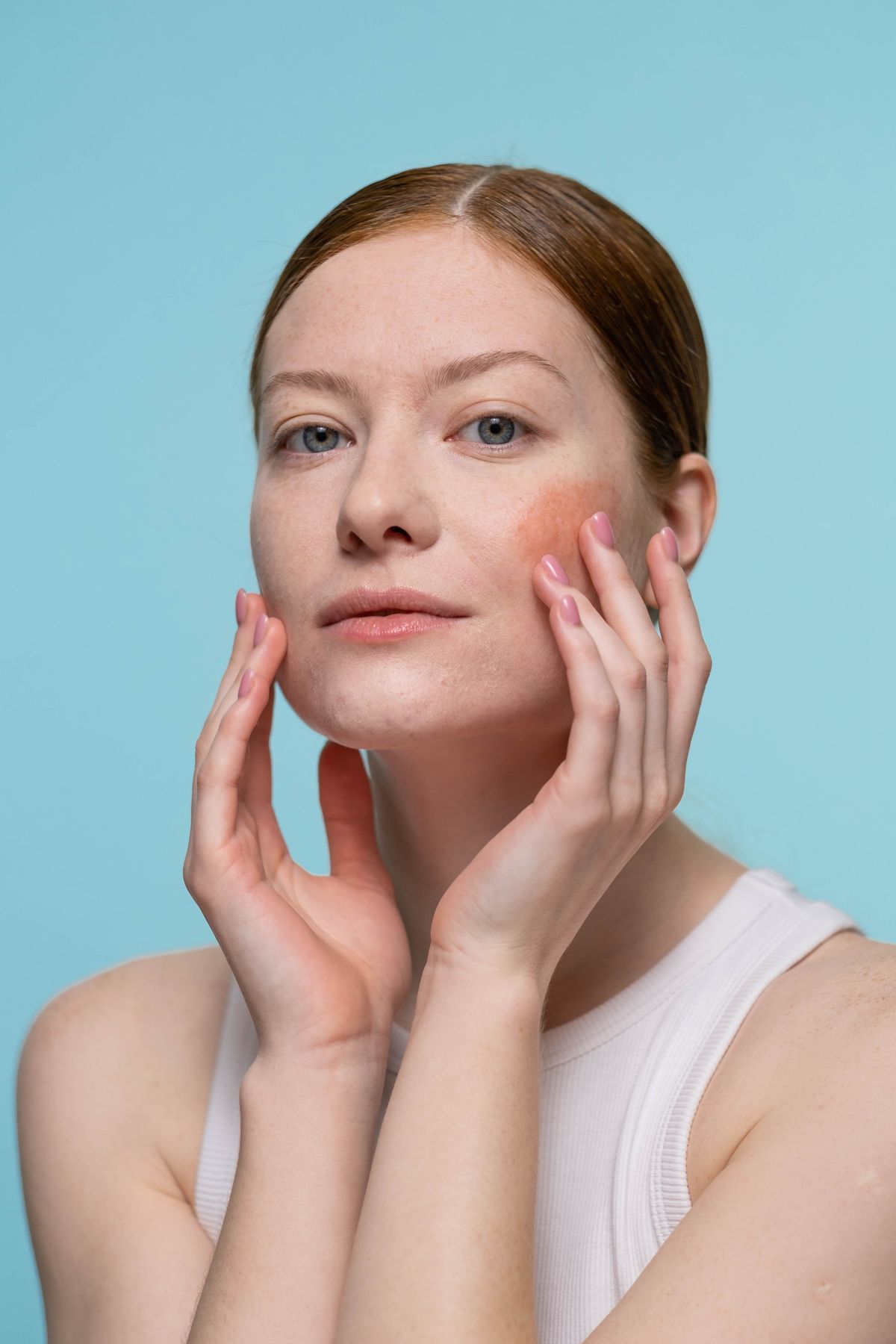
A compliment, a mistake or the feeling that everyone is looking can bring warmth to the face before you have decided how to respond. Blushing is involuntary, visible and deeply social.
What happens in the face?
Emotional arousal changes blood flow in facial skin. Recent brain-imaging work found that blushing was linked with activity in areas involved in arousal and attention to socially relevant events.1 It may not require a long, deliberate judgment about what another person thinks.
What might a blush communicate?
Observational research connects facial reddening with feeling embarrassed, ashamed or exposed.2 Because it is difficult to fake, researchers have proposed that blushing can signal that a person recognizes a socially awkward moment. The meaning still depends on context, skin tone, temperature and what observers can actually see.
Why can worrying make it feel worse?
Attention can turn toward the face: Is it red? Did they notice? That monitoring can intensify the sense of exposure even when other people are focused on the conversation.
The feeling of being watched can arrive quickly
Imagine receiving an unexpected compliment in a meeting. You notice warmth in your face before you have worked out what to say. Or you watch a recording of yourself and become aware of the same sensation. These examples illustrate the social context of blushing without showing that every warm face has the same cause. The useful observation is the sequence: what happened, what you felt and where your attention went.
People often interpret the response as proof that everyone can read their thoughts. That is an additional conclusion. Someone may notice color or may not; the color itself does not give them a complete account of your emotion. You can feel exposed without knowing what another person actually observed. Keeping those two experiences separate can make a familiar moment less mysterious.
The karaoke experiment tested an unusual situation
In the brain-imaging study, young participants watched recordings of themselves singing while researchers measured cheek temperature and brain activity.1 That is a specific way to create self-exposure in a laboratory. The measurements help investigate processes accompanying blushing, but they do not represent every social situation or explain exactly what one person thinks during a blush.
A brain region becoming more active does not supply a complete explanation by itself. The design and comparison determine what can be inferred. In this case, the study contributes to a question about emotional arousal and reflective social thinking. A useful headline should preserve that question, rather than suggesting that a scan found a single embarrassment center responsible for every blush.
Appearance and interpretation can come apart
Imagine believing that a blush proves you looked incompetent. That connects a body response to a social judgment without evidence of the other person's view. You may be remembering how the moment felt rather than what anyone said or did. If you keep a note, distinguish those pieces: the event, the sensation, your interpretation and any actual response from others.
This reflection is not a command to stop feeling embarrassed. It is a way to make the experience more specific. A compliment, a mistake and an unwanted spotlight can all feel different, even if warmth appears in each. Research describes patterns across situations; your own account explains why a particular moment mattered to you. Neither requires treating facial color as a reliable measure of confidence.
Ask whether the concern is limiting your life
An occasional uncomfortable moment may pass without needing a plan. A persistent fear may instead lead you to avoid conversations, meetings or activities you want to join. That difference is more useful than trying to decide whether your face becomes red enough to count. Describe the avoidance and distress if you seek professional support, not just the visible response.
You do not have to control every automatic bodily reaction to participate in a conversation. The practical aim can be returning attention to what you want to say or do, while getting help when fear repeatedly narrows your choices. The research makes blushing easier to understand as a human response. It does not turn it into a flaw to erase or a diagnosis that can be made from one warm-cheeked moment.
Make the moment less of an investigation
Suppose a blush arrives while you are answering a question. You can notice it without making the rest of the exchange an effort to determine who saw it. What answer did you want to give? What did the other person actually say? Those questions return the event to a conversation rather than a verdict on your face. This is a reflection example, not a tested treatment for social anxiety. If fear repeatedly gets in the way, a professional can help you address that pattern. You do not need to establish exactly how red you became before explaining that the concern is limiting you.
What does that mean to you?
A blush is a body response, not a verdict about confidence or beauty. Notice the situation, heat and thoughts that arrive with it. Shifting attention back to the conversation may be more useful than trying to command the color to disappear.
Research describes common patterns. Your emotional experience tells you whether blushing is a passing discomfort or part of social anxiety that limits your life. If fear of blushing drives avoidance, therapy can address that fear even when the physiology itself remains automatic.
A compliment, a mistake or the feeling that everyone is looking can bring warmth to the face before you have decided how to respond. Blushing is involuntary, visible and deeply social.
What happens in the face?
Emotional arousal changes blood flow in facial skin. Recent brain-imaging work found that blushing was linked with activity in areas involved in arousal and attention to socially relevant events.1 It may not require a long, deliberate judgment about what another person thinks.
What might a blush communicate?
Observational research connects facial reddening with feeling embarrassed, ashamed or exposed.2 Because it is difficult to fake, researchers have proposed that blushing can signal that a person recognizes a socially awkward moment. The meaning still depends on context, skin tone, temperature and what observers can actually see.
Why can worrying make it feel worse?
Attention can turn toward the face: Is it red? Did they notice? That monitoring can intensify the sense of exposure even when other people are focused on the conversation.
The feeling of being watched can arrive quickly
Imagine receiving an unexpected compliment in a meeting. You notice warmth in your face before you have worked out what to say. Or you watch a recording of yourself and become aware of the same sensation. These examples illustrate the social context of blushing without showing that every warm face has the same cause. The useful observation is the sequence: what happened, what you felt and where your attention went.
People often interpret the response as proof that everyone can read their thoughts. That is an additional conclusion. Someone may notice color or may not; the color itself does not give them a complete account of your emotion. You can feel exposed without knowing what another person actually observed. Keeping those two experiences separate can make a familiar moment less mysterious.
The karaoke experiment tested an unusual situation
In the brain-imaging study, young participants watched recordings of themselves singing while researchers measured cheek temperature and brain activity.1 That is a specific way to create self-exposure in a laboratory. The measurements help investigate processes accompanying blushing, but they do not represent every social situation or explain exactly what one person thinks during a blush.
What does that mean to you?
A blush is a body response, not a verdict about confidence or beauty. Notice the situation, heat and thoughts that arrive with it. Shifting attention back to the conversation may be more useful than trying to command the color to disappear.
Research describes common patterns. Your emotional experience tells you whether blushing is a passing discomfort or part of social anxiety that limits your life. If fear of blushing drives avoidance, therapy can address that fear even when the physiology itself remains automatic.
A quick check-in
Did you find this story useful?
Sources
For general information. This story does not provide a diagnosis or replace individual medical advice.