Wellbeing
Can gardening change how a stressful week feels?
A pilot randomized trial compared indoor gardening with art-making. Both activities were linked with changes in mood and perceived stress.
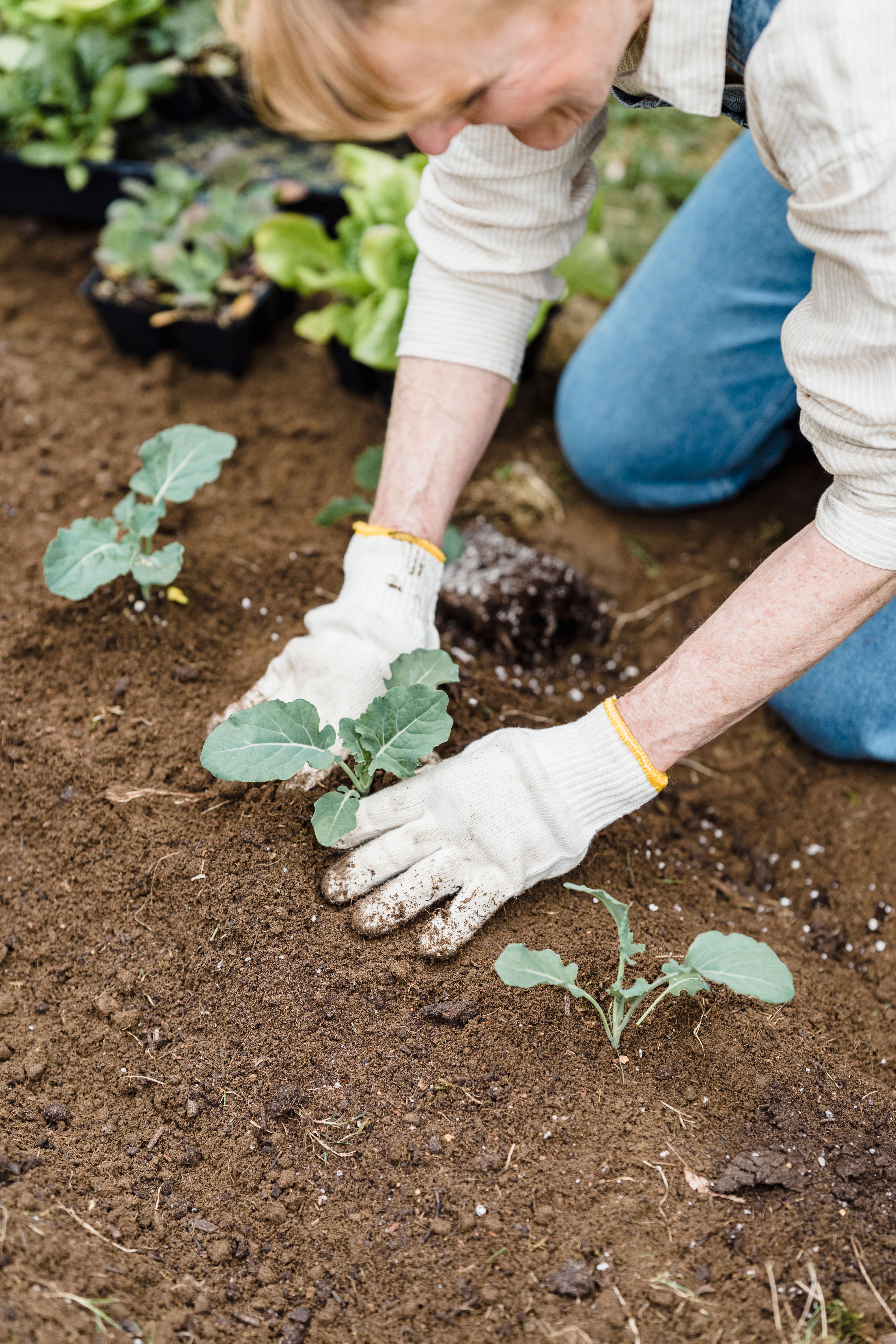
A few hours with soil, leaves and something that needs patient attention can feel very different from a week spent responding to screens. Researchers have started asking whether that difference can be measured.
What did the gardening study do?
A pilot randomized trial assigned healthy women ages 26 to 49 to indoor gardening or art-making. Participants attended one-hour group sessions twice a week for four weeks. Researchers measured mood disturbance, perceived stress, anxiety, depressive symptoms, quality of life and cardiovascular indicators.1
Was gardening better than making art?
No clear winner emerged. Both groups showed improvements in several self-reported psychosocial measures. Gardening was also associated with improvement in trait anxiety, but the study did not support the researchers’ hypothesis that gardening would provide distinctly different benefits from art-making.
Why is that finding still useful?
It shifts the story away from one magical hobby. The helpful ingredients may include focused attention, learning with the hands, social contact, creativity and time separated from routine pressure. Gardening combines these ingredients, but it does not own them.
The comparison changes the story
Imagine reading that participants felt better after a gardening program. Without knowing the comparison, it is easy to conclude that plants were the special ingredient. In this pilot trial, another group made art. Both groups reported improvements in several measures.1 The comparison turns the question from “is gardening magic?” into “what might different enjoyable, structured activities have in common?”
That is not a disappointing result. It gives the reader more options and a clearer understanding of the evidence. A finding can be meaningful without showing that one activity is uniquely superior. If an article emphasizes only the gardening group, ask what happened to the comparison group and whether the difference between them supports the headline.
A program includes more than the task
The participants attended repeated group sessions rather than spending one unstructured afternoon alone with a plant. The schedule, learning and shared setting were part of the experience. The trial cannot determine how much each ingredient contributed. Suggestions about attention, creativity or social contact are possible explanations to investigate, not conclusions that the design established separately.
This distinction matters when you apply the idea to daily life. Tending a windowsill herb may be enjoyable, but it is not identical to the study's program. Joining a group may offer a different experience again. You can explore either option while being honest about the gap between an appealing everyday activity and the specific intervention researchers evaluated.
Choose the activity you would actually want to repeat
Think about what attracts you: working with your hands, learning something, spending time with others or taking a break from screens. Gardening might fit, or another activity might fit better. You do not need to select the hobby with the strongest health headline. A useful choice begins with interest and practical circumstances, then leaves room to notice whether the experience supports you.
For example, a person with little space might enjoy repotting one plant, while someone else might prefer drawing at a table. These are illustrative options, not claims that they reproduce the trial. Consider cost, space, physical comfort and whether the activity becomes another demanding project. A small choice that you enjoy can make more sense than an impressive setup you do not want to maintain.
Measure enjoyment without turning it into productivity
You might ask whether the activity held your attention, gave you a pause or left you interested in returning. Those questions are different from how many plants survived or how polished the result looked. If you want a record, use a sentence rather than a scorecard. The purpose is to understand your experience, not create another area where you must perform well.
If gardening frustrates you, it does not show that you are missing a proven route to wellbeing. The study itself did not identify a clear overall winner between the activities. Keep that flexibility. Research can make a hobby worth considering, while your experience tells you whether it belongs in your life. Persistent difficulties with mood deserve appropriate support regardless of whether you also enjoy a hands-on activity.
A windowsill is not a laboratory
Suppose you try caring for one herb for a few weekends. You may enjoy choosing where it goes, watering it or learning something about its growth. You may also find that remembering another task feels burdensome. Both experiences are possible, and neither reproduces the trial. Decide what you would like to learn: whether the activity interests you, whether it fits the space, and whether you want to continue. The plant's condition is not a wellbeing grade. This example keeps the hobby small enough that you can change your mind. Trying another activity is a choice, not evidence that you failed to obtain a promised benefit.
What does that mean to you?
You do not need a backyard or a perfect collection of plants. Repotting one herb, tending a windowsill or helping in a community garden can be a manageable experiment. The relevant question is whether the activity absorbs your attention without becoming another performance metric.
Research suggests a pattern, but the small study cannot predict which hobby will restore you. Notice whether gardening leaves you calmer, more curious or simply frustrated. If another hands-on activity fits better, that is useful personal evidence too.
A few hours with soil, leaves and something that needs patient attention can feel very different from a week spent responding to screens. Researchers have started asking whether that difference can be measured.
What did the gardening study do?
A pilot randomized trial assigned healthy women ages 26 to 49 to indoor gardening or art-making. Participants attended one-hour group sessions twice a week for four weeks. Researchers measured mood disturbance, perceived stress, anxiety, depressive symptoms, quality of life and cardiovascular indicators.1
Was gardening better than making art?
No clear winner emerged. Both groups showed improvements in several self-reported psychosocial measures. Gardening was also associated with improvement in trait anxiety, but the study did not support the researchers’ hypothesis that gardening would provide distinctly different benefits from art-making.
Why is that finding still useful?
It shifts the story away from one magical hobby. The helpful ingredients may include focused attention, learning with the hands, social contact, creativity and time separated from routine pressure. Gardening combines these ingredients, but it does not own them.
The comparison changes the story
Imagine reading that participants felt better after a gardening program. Without knowing the comparison, it is easy to conclude that plants were the special ingredient. In this pilot trial, another group made art. Both groups reported improvements in several measures.1 The comparison turns the question from “is gardening magic?” into “what might different enjoyable, structured activities have in common?”
That is not a disappointing result. It gives the reader more options and a clearer understanding of the evidence. A finding can be meaningful without showing that one activity is uniquely superior. If an article emphasizes only the gardening group, ask what happened to the comparison group and whether the difference between them supports the headline.
A program includes more than the task
The participants attended repeated group sessions rather than spending one unstructured afternoon alone with a plant. The schedule, learning and shared setting were part of the experience. The trial cannot determine how much each ingredient contributed. Suggestions about attention, creativity or social contact are possible explanations to investigate, not conclusions that the design established separately.
What does that mean to you?
You do not need a backyard or a perfect collection of plants. Repotting one herb, tending a windowsill or helping in a community garden can be a manageable experiment. The relevant question is whether the activity absorbs your attention without becoming another performance metric.
Research suggests a pattern, but the small study cannot predict which hobby will restore you. Notice whether gardening leaves you calmer, more curious or simply frustrated. If another hands-on activity fits better, that is useful personal evidence too.
A quick check-in
Did you find this story useful?
Sources
For general information. This story does not provide a diagnosis or replace individual medical advice.