Wellbeing
Can weekend catch-up sleep make up for a short-sleep week?
Weekend catch-up sleep can ease sleepiness, but recovery is not the same as reversing repeated sleep loss. See what controlled studies found.
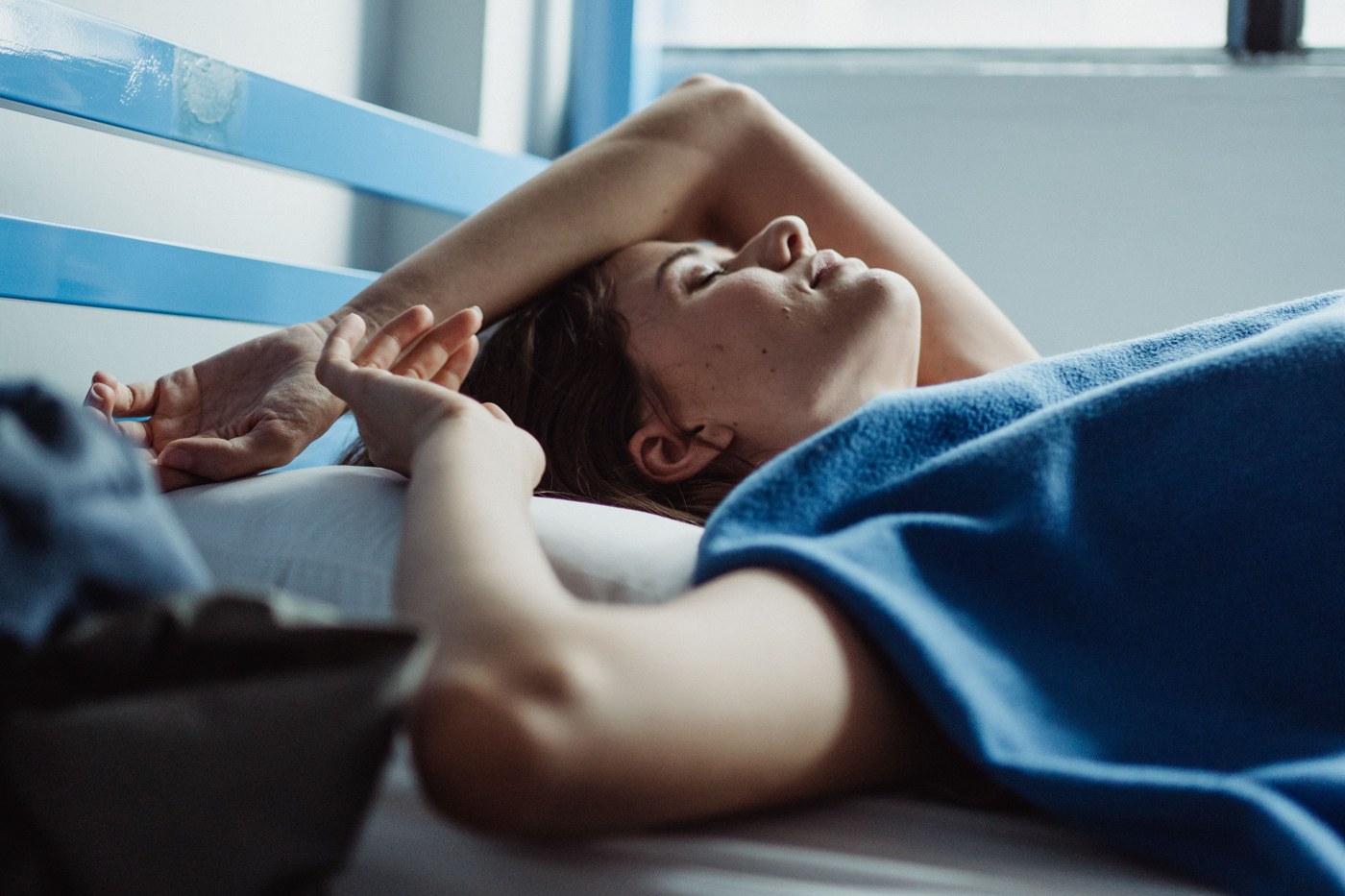
Photo: Ketut Subiyanto / Pexels. Used under the Pexels license. Illustrative stock photograph; people shown are not study participants and do not endorse this story.
Saturday arrives, the alarm stays off, and you finally sleep longer. By breakfast, the world may feel easier to manage. That relief is real, but it raises a different question: has your body fully recovered from several short nights?
The research suggests a careful answer: extra sleep can help some aspects of recovery, without reliably erasing every effect of repeated sleep loss. Feeling better and returning every measured function to baseline are different outcomes.
What can recover over a weekend?
In a 2013 laboratory study, 30 healthy young adults had six nights with six hours in bed, following baseline nights with eight hours. After two recovery nights with ten hours in bed, daytime sleepiness and an inflammatory marker, interleukin-6, returned to baseline levels. However, performance on a sustained-attention task did not recover to baseline.1
This helps explain why you might feel more awake while still making small attention errors. It does not mean everyone responds identically. The study was small, involved a brief controlled schedule and tested particular outcomes; it cannot establish how many nights an individual needs after months of insufficient sleep.
What if short nights start again on Monday?
A 2019 randomized experiment assigned 36 healthy young adults to adequate sleep opportunities, repeated five-hour sleep opportunities, or short nights interrupted by a weekend of unrestricted recovery sleep. When restriction resumed after the recovery weekend, the recovery group still showed impaired insulin sensitivity, a measure of how effectively the body responds to insulin.2
That is evidence against treating a weekend as guaranteed metabolic protection during repeated restriction. It is not evidence that sleeping longer is useless, that damage is permanent, or that one tired week causes diabetes. This was a short laboratory experiment, not a long-term disease study. Time allowed in bed also differs from time actually asleep.
A useful reset, rather than a repayment formula
There is no reliable rule that two extra hours on Sunday cancel two missed hours on Tuesday. Recovery varies by the outcome being measured, the amount of lost sleep and the person. A weekend can provide welcome rest; a recurring weekday shortage deserves attention of its own.
Try protecting a little more sleep opportunity during the week, where possible. A quieter bedtime routine and a broadly consistent schedule are practical starting points supported by NHLBI guidance.3 Work, caregiving and housing can limit those choices. The goal is a workable routine, not another standard to fail.
If you remain very sleepy despite enough opportunity to sleep, or have persistent insomnia or loud snoring with breathing pauses, discuss it with a clinician. Do not use feeling briefly refreshed as reassurance that sleepy driving is safe.
What does that mean for you?
Enjoy needed rest, and notice whether it changes your alertness, mood and ability to focus. Scientific studies offer useful guidance from groups of people, while individual experiences and circumstances vary. Your observations matter alongside that evidence; they do not prove that every effect of sleep loss has reversed. A simple sleep-and-energy note can help you identify patterns and explain concerns to a clinician.
A quick check-in
Did you find this story useful?
Sources
- Pejovic et al. (2013). Effects of recovery sleep after one work week of mild sleep restriction on interleukin-6 and cortisol secretion and daytime sleepiness and performance. American Journal of Physiology–Endocrinology and Metabolism.
- Depner et al. (2019). Ad libitum Weekend Recovery Sleep Fails to Prevent Metabolic Dysregulation during a Repeating Pattern of Insufficient Sleep and Weekend Recovery Sleep. Current Biology.
- National Heart, Lung, and Blood Institute. Healthy sleep habits.
For general information. This story does not provide a diagnosis or replace individual medical advice.